
Skip to content
Practitioner at a laptop talking with a patient in a bright consultation room

Menopause Support in Burlington

The years around menopause bring changes to sleep, mood, energy and temperature that can feel like a lot at once. Our team helps you understand what's going on and build a plan around it.

What Menopause Is

Menopause is the point when your periods have stopped for twelve months in a row, marking the end of your reproductive years. The word is often used more loosely to cover the whole transition, but clinically it's that single milestone. The years leading up to it are perimenopause, when hormone levels, mostly estrogen and progesterone, start to shift and swing. This is when many of the changes people associate with menopause begin, sometimes years before periods stop entirely. After menopause, you're described as postmenopausal. The transition is a normal life stage, not an illness. That said, the symptoms that come with it can genuinely affect how you sleep, feel and function, and there's a lot that can be done to support you through it.
Healthcare provider using a stethoscope to examine a patient's chest during a medical consultation
What You Might Be Noticing

What Menopause Can Feel Like

Hot flashes and night sweats are the most talked-about, sudden waves of heat, flushing, sometimes drenching sweats that interrupt sleep. But the transition shows up in many ways: broken sleep, tiredness that doesn't lift with rest, mood swings or low mood, irritability, brain fog and trouble concentrating.

Other common changes include irregular or heavier periods in perimenopause, changes to weight and how the body stores it, joint aches, vaginal dryness, lower libido, and headaches. Not everyone gets all of these, and the mix and intensity vary a lot from person to person.

Because so many of these overlap with other things, ongoing fatigue in particular can have several contributors, it's worth looking at the whole picture rather than assuming everything is hormones.

How Much It Affects People Varies
For some, the transition is mild: a few hot flashes, some sleep disruption, and life carries on much as before. For others it's disruptive enough to affect work, relationships and day-to-day function, with symptoms that last for years. Most of what happens during this time is expected and doesn't signal a problem. Some things do warrant a doctor's attention rather than being chalked up to menopause: bleeding after you've been period-free for twelve months, heavy or prolonged bleeding, severe mood changes, or new symptoms that concern you. These are worth having assessed medically. Our role is supporting you through the normal transition and working alongside your family doctor, not replacing medical investigation where it's needed. If something in a consultation points to a concern that needs a physician, we'll say so.
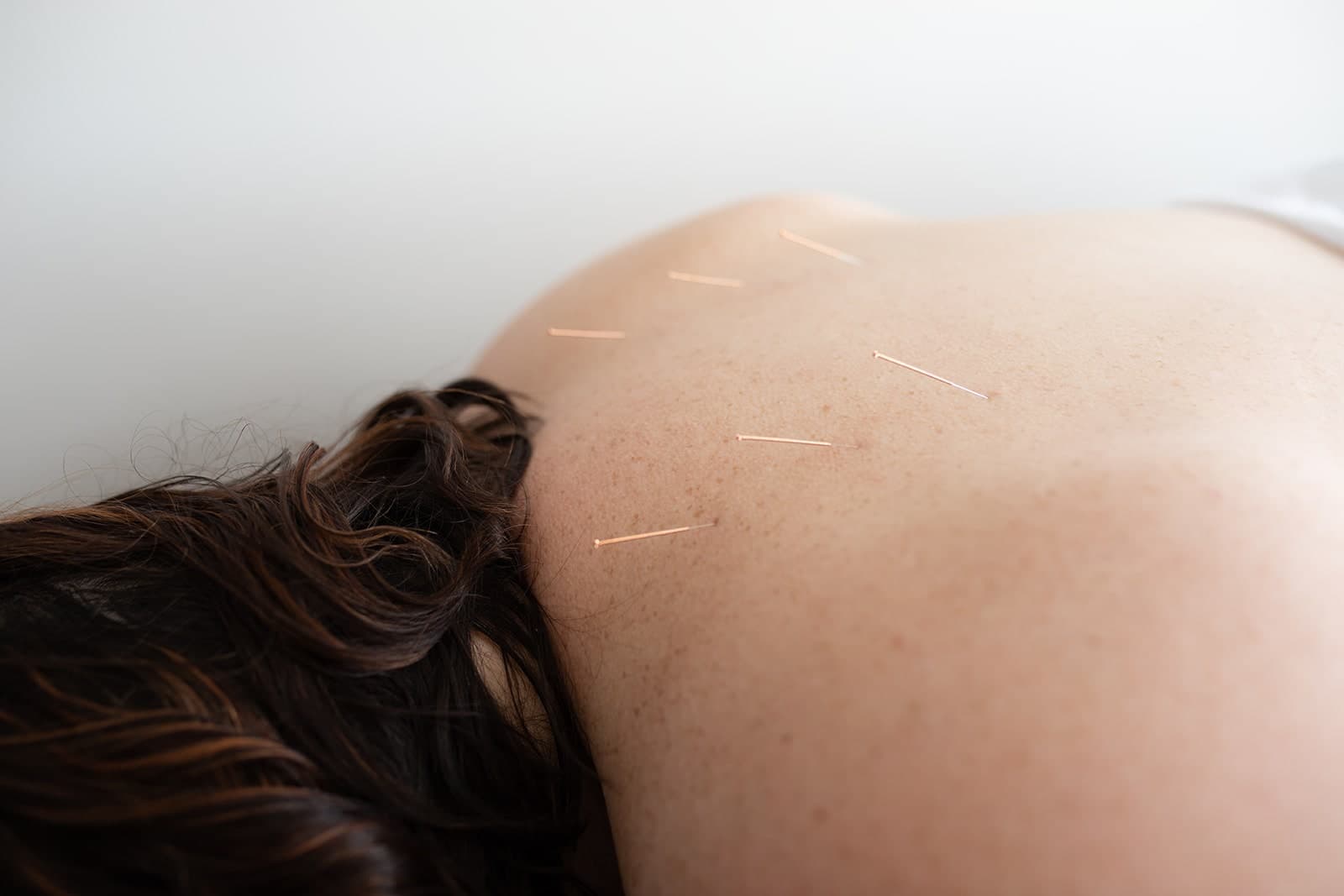
Close-up of acupuncture needles in a patient's back during treatment
How Your First Consultation Runs

How We Approach Menopause Care

We start with a thorough conversation. Where you're in the transition, which symptoms are affecting you most, how you're sleeping and eating, your stress and energy, your history and what you've already tried. This takes time, because the goal is to understand the whole picture, not tick off symptoms.

From there we build a plan that fits your priorities. That might draw on naturopathic medicine for a root-cause look at sleep, energy and hormonal balance, nutrition and lifestyle support, and where appropriate a conversation about hormone support. Because our team works together under one roof, we can bring in the right people rather than sending you to piece it together yourself.
How Support Usually Comes Together

What a Menopause Plan Can Include

There's no single answer that suits everyone. A plan is built around your most pressing symptoms and what you're comfortable with, and it changes as things settle.

  1. 01

    Understand your picture

    The first step is mapping out what's going on for you, symptoms, sleep, stress, nutrition and history, so the plan targets what matters most rather than a generic checklist.
  2. 02

    Address the foundations

    Sleep, blood sugar, nutrition and stress load all influence how the transition feels. Practical changes here often take some of the edge off symptoms and support energy and mood.
  3. 03

    Consider targeted support

    Depending on your symptoms and preferences, this may include naturopathic support, nutrition strategies, acupuncture, or a discussion of hormone options with the right practitioner.
  4. 04

    Review and adjust

    Symptoms shift over the transition, so we check in on what's working and change course as needed. This isn't a one-and-done fix, it's ongoing support through a moving target.

Changes We Commonly Help With

  • Hot Flashes and Night Sweats
  • Broken or Poor Sleep
  • Persistent Fatigue and Low Energy
  • Mood Swings, Low Mood and Irritability
  • Brain Fog and Concentration
  • Weight and Body Composition Changes
  • Joint Aches and Stiffness
  • Stress and Feeling Overwhelmed

How Long the Transition Lasts

Perimenopause commonly runs for several years before periods stop, and symptoms like hot flashes can continue for a while afterward. The honest answer is that it varies widely, some people have a short, mild transition and others have symptoms that last much longer.

How quickly support makes a difference also depends on the person and the approach. Some changes to sleep and energy respond within weeks once the foundations are addressed. Hormonal symptoms may take longer to settle and often need adjusting along the way. We can't promise a specific timeline or outcome, but the aim is steady, meaningful improvement in the symptoms bothering you most.

Women across Burlington and the surrounding area come to us at every stage of this, from the first perimenopausal changes through to postmenopausal support, and the plan is always built around where you're right now.

Common Questions About Menopause Support

Do I need a referral to book?

No referral is needed to book a consultation with our team. If anything comes up that's better handled by your family doctor, we'll let you know and coordinate where it helps.

Should I still see my family doctor?

Yes. Our support works alongside your regular medical care, not instead of it. Some things, like abnormal bleeding or new symptoms that concern you, need a physician, and we'll always point you there when that's the right step.

Is hormone support right for me?

That's an individual decision that depends on your symptoms, history and preferences. It's one option among several, and the right conversation is with a practitioner who can weigh it against your full picture. We can talk through what it involves during a consultation.

Can lifestyle changes help with menopause symptoms?

For many people, addressing sleep, nutrition, blood sugar and stress takes some of the intensity out of symptoms and supports energy and mood. It won't erase the transition, but it often makes it more manageable, and it's usually part of any plan we build.

How soon should I book?

Whenever symptoms are affecting your sleep, mood, energy or day-to-day life. You don't need to wait until things are severe, earlier support often means fewer disruptions to work through.
Our Team

Practitioners Who Help with Menopause

Lori Sprout, Personal Trainer, Fascial Stretch Therapist and Menopause Coach at Balance Integrative Health + IV Therapy in Burlington

Lori Sprout

Personal Trainer, Fascial Stretch Therapist and Menopause Coach

Lori Sprout is a certified personal trainer, fascial stretch therapist and menopause coach focusing on mobility and functional strength.

Book Menopause Support in Burlington

If the changes of perimenopause or menopause are wearing on you, a consultation is a good place to start. Our Burlington team will take the time to understand your picture and build support around it.

Call us